

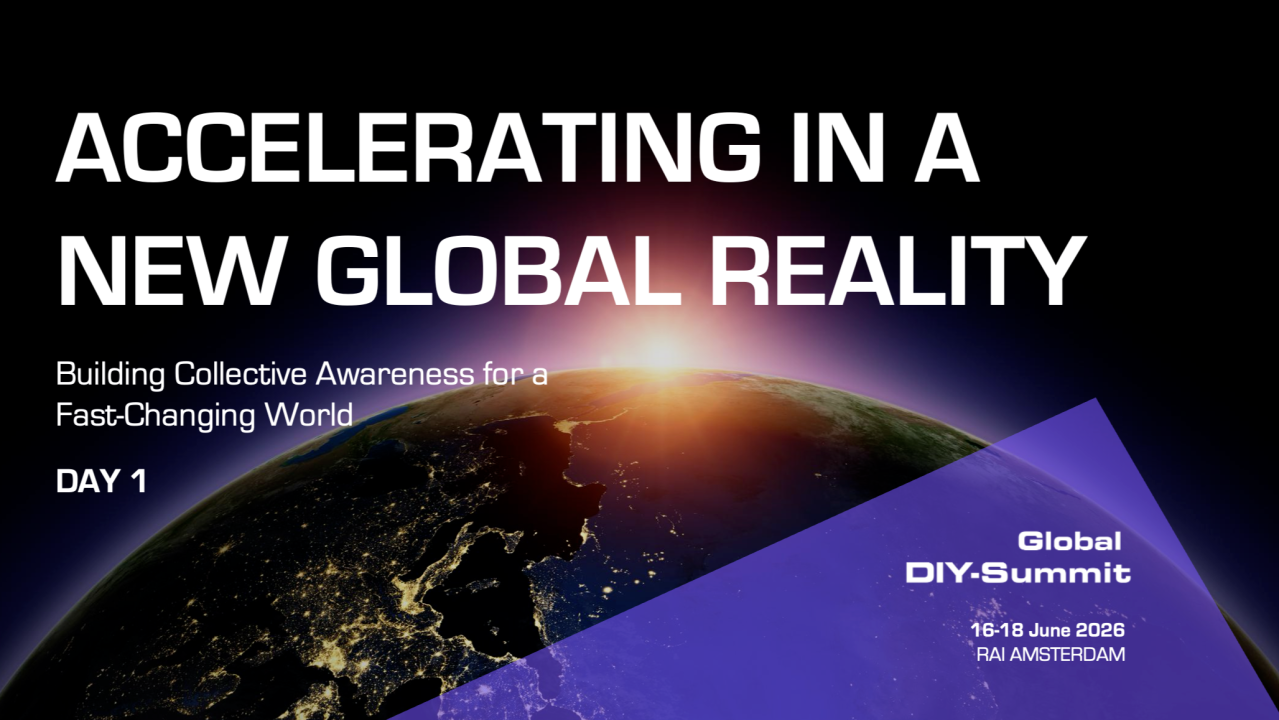
The world is changing faster than most people realize, but many of the most important global events are not loud or obvious. Instead, they are unfolding quietly in the background, shaping economies, politics, technology, and daily life in ways that will become more visible in the coming years. From digital transformation to shifting power structures and climate pressure, these developments are slowly redesigning how the world functions. Understanding these global trends is essential for anyone who wants to stay informed, prepared, and ahead of change in an increasingly interconnected world.
Rising Geopolitical Shifts and Power Realignment
Changing Global Alliances
Global alliances are no longer fixed as countries continuously adjust their partnerships based on economic needs, security concerns, and strategic interests. These shifting alliances are quietly reshaping international relations and creating new balances of power. Nations that once depended heavily on traditional partners are now exploring alternative relationships, leading to a more flexible and complex global system. This gradual shift is influencing trade routes, defense agreements, and diplomatic priorities across continents.
Economic Competition Between Major Economies
The competition between major global economies has intensified, especially in areas like technology, manufacturing, and energy. Instead of direct conflict, countries are engaging in economic strategies such as trade restrictions, investment controls, and technological independence. This economic rivalry is not always visible in daily news, but it has long-term effects on global markets, job creation, and innovation trends. Businesses and governments are both adapting to this evolving competitive landscape.
Regional Influence Expansion
Several emerging regions are increasing their global influence through strategic investments, infrastructure development, and diplomatic outreach. This gradual rise is changing how global decisions are made and reducing the dominance of traditional superpowers. As regional powers grow stronger, they bring new perspectives and priorities into global discussions, influencing everything from climate agreements to international trade rules.
Technological Transformation Driving Global Change
Artificial Intelligence Integration
Artificial intelligence is becoming deeply embedded in industries worldwide, transforming how businesses operate and how people interact with technology. From automation to predictive systems, AI is improving efficiency but also raising concerns about job displacement and ethical use. This quiet transformation is happening across healthcare, finance, education, and logistics, making it one of the most powerful global forces shaping the future economy.
Digital Economy Expansion
The global shift toward a digital economy is accelerating as more services move online. E-commerce, digital payments, remote work, and cloud-based systems are now essential parts of modern life. This transformation is not only changing consumer behavior but also redefining how companies scale and compete. Countries that invest in digital infrastructure are gaining stronger economic positions in this evolving global system.
Cybersecurity and Digital Risks
As digital systems expand, cybersecurity threats are also increasing at a rapid pace. Governments, businesses, and individuals are becoming more vulnerable to data breaches, cyberattacks, and information manipulation. These risks are often invisible but have serious consequences for national security and economic stability. Strengthening digital protection systems has become a global priority in response to this growing challenge.
Environmental Pressures and Global Sustainability Shifts
Climate Change Acceleration
Climate change continues to intensify, affecting weather patterns, agriculture, and natural ecosystems across the world. Rising temperatures and extreme weather events are forcing governments to rethink long-term environmental policies. Although these changes are gradual in some regions, their combined global impact is becoming increasingly significant and difficult to ignore.
Renewable Energy Transition
Countries are slowly moving away from fossil fuels and investing in renewable energy sources such as solar, wind, and hydro power. This transition is reshaping global energy markets and reducing dependence on traditional energy exporters. While the shift is not uniform across all regions, it represents a long-term transformation in how the world produces and consumes energy.
Resource Scarcity Challenges
Water shortages, food insecurity, and raw material depletion are becoming more pressing global concerns. These challenges are not always visible in developed regions, but they are affecting developing countries more severely. As demand increases and resources become limited, global cooperation and sustainable management strategies are becoming more important than ever.
FAQs
1. What are quiet global events?
They are major changes happening gradually in geopolitics, technology, and the environment that are not always visible immediately.
2. Why are global events important to understand?
They help individuals and businesses prepare for future economic, political, and technological changes.
3. How does technology affect global change?
Technology like AI and digital systems is transforming industries and reshaping economies worldwide.
4. What is the biggest global challenge today?
Climate change, cybersecurity risks, and geopolitical shifts are among the most significant challenges.
5. Are these global changes happening fast or slowly?
Most changes are gradual but have long-term and powerful impacts over time.
Conclusion
Global events are not always loud or dramatic, but their slow and steady progression is reshaping the world in powerful ways. From shifting geopolitical relationships to rapid technological advancement and increasing environmental pressures, these changes are redefining how societies function and interact. Staying aware of these global trends is essential for understanding the future and adapting to it effectively