

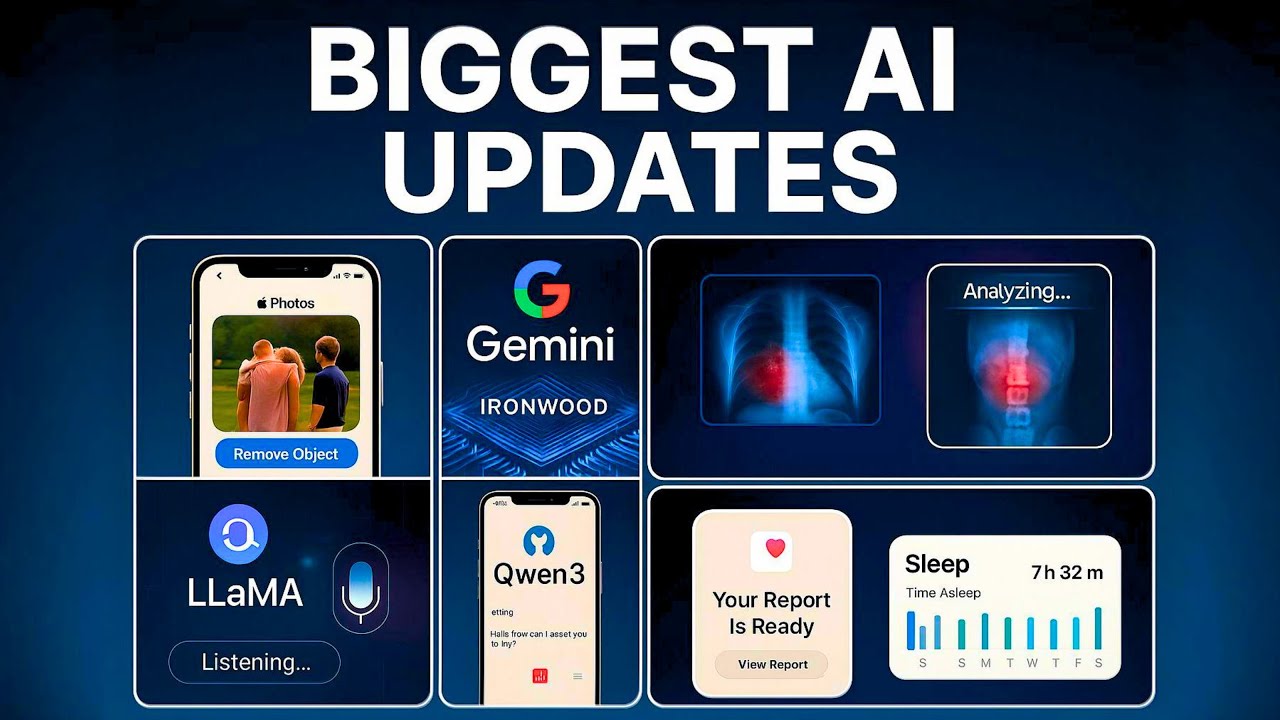
Artificial Intelligence is evolving faster than ever, and the latest wave of updates has introduced major shifts in how AI tools are built, used, and integrated into daily life. From smarter generative models to more advanced automation systems, these changes are reshaping industries, content creation, business workflows, and personal productivity. In this article, we break down the most important AI updates in a simple and clear way so you can understand what is changing and why it matters right now.
The New Generation of AI Models
Smarter Context Understanding in AI Systems
Modern AI models have significantly improved their ability to understand long conversations and complex instructions. Instead of responding in isolated sentences, they now maintain context across multiple interactions, making communication feel more natural and human-like. This improvement is especially useful in customer support, content creation, and research tasks where continuity is important. Businesses are already using these upgraded AI systems to reduce workload and improve accuracy in communication-heavy processes.
Faster and More Efficient AI Processing
Another major update in AI technology is speed optimization. New models are designed to deliver faster responses while using fewer computing resources. This means lower costs for companies and quicker results for users. Whether it is generating content, analyzing data, or answering queries, the efficiency of modern AI systems has improved dramatically. This shift is also helping smaller businesses access powerful AI tools without requiring expensive infrastructure.
Improved Multimodal Capabilities in AI Tools
AI is no longer limited to just text. The latest systems can process images, audio, and even video along with written input. This multimodal capability allows users to interact with AI in more flexible ways, such as analyzing visuals, summarizing videos, or generating creative media content. It is transforming industries like design, education, marketing, and entertainment by making AI more versatile and powerful than ever before.
AI Integration Across Industries
AI in Business Automation Systems
Businesses are rapidly adopting AI-driven automation to handle repetitive tasks. From email responses to data entry and customer service, AI tools are reducing manual effort and increasing productivity. This shift allows companies to focus more on strategy and innovation instead of routine operations. As a result, AI integration is becoming a core part of modern business infrastructure.
AI in Digital Content Creation
Content creation has been transformed by AI-powered writing, editing, and design tools. Creators can now produce high-quality articles, videos, and graphics in a fraction of the time it used to take. This has opened new opportunities for freelancers, marketers, and businesses to scale their content output efficiently. However, human creativity still plays a key role in ensuring originality and emotional connection.
AI in Education and Learning Platforms
Education systems are also experiencing major changes due to AI. Personalized learning platforms now adapt to individual student needs, offering tailored lessons and feedback. This helps learners progress at their own pace and improves overall understanding. Teachers also benefit from AI tools that assist in grading, lesson planning, and student engagement.
The Future of AI Development
Growth of Autonomous AI Agents
One of the biggest AI trends is the rise of autonomous agents that can perform tasks without constant human input. These systems can plan, execute, and complete multi-step workflows independently. This is a major step toward fully automated digital assistants that can handle complex business operations, scheduling, and decision-making tasks.
Expansion of Ethical AI Frameworks
As AI becomes more powerful, ethical concerns are gaining attention. Developers are now focusing on building responsible AI systems that reduce bias, protect user privacy, and ensure transparency. Governments and organizations are also introducing regulations to ensure AI is used safely and fairly across industries.
Increased Accessibility of AI Tools
AI is becoming more accessible to the general public. Tools that were once limited to tech experts are now available to everyday users through simple apps and platforms. This democratization of AI is helping individuals start businesses, create content, and solve problems without technical expertise.
FAQs
1. What are the latest AI changes?
The latest AI changes include smarter models, faster processing, multimodal features, and improved automation systems.
2. How is AI impacting businesses?
AI is helping businesses automate tasks, reduce costs, and improve productivity through intelligent systems.
3. Is AI difficult to use for beginners?
No, modern AI tools are designed to be user-friendly and accessible even for beginners.
4. Will AI replace human jobs?
AI will automate some tasks, but it will also create new job opportunities in tech and creative industries.
5. What is the future of AI?
The future of AI includes more automation, better personalization, and stronger ethical frameworks.
Conclusion
The recent AI changes show that we are entering a new era of technology where machines are becoming smarter, faster, and more integrated into everyday life. From business automation to creative content generation, AI is transforming how we work and communicate. While these advancements bring powerful opportunities, they also highlight the need for responsible development and human oversight. Understanding these changes today will help individuals and businesses stay ahead in the rapidly evolving digital world.