

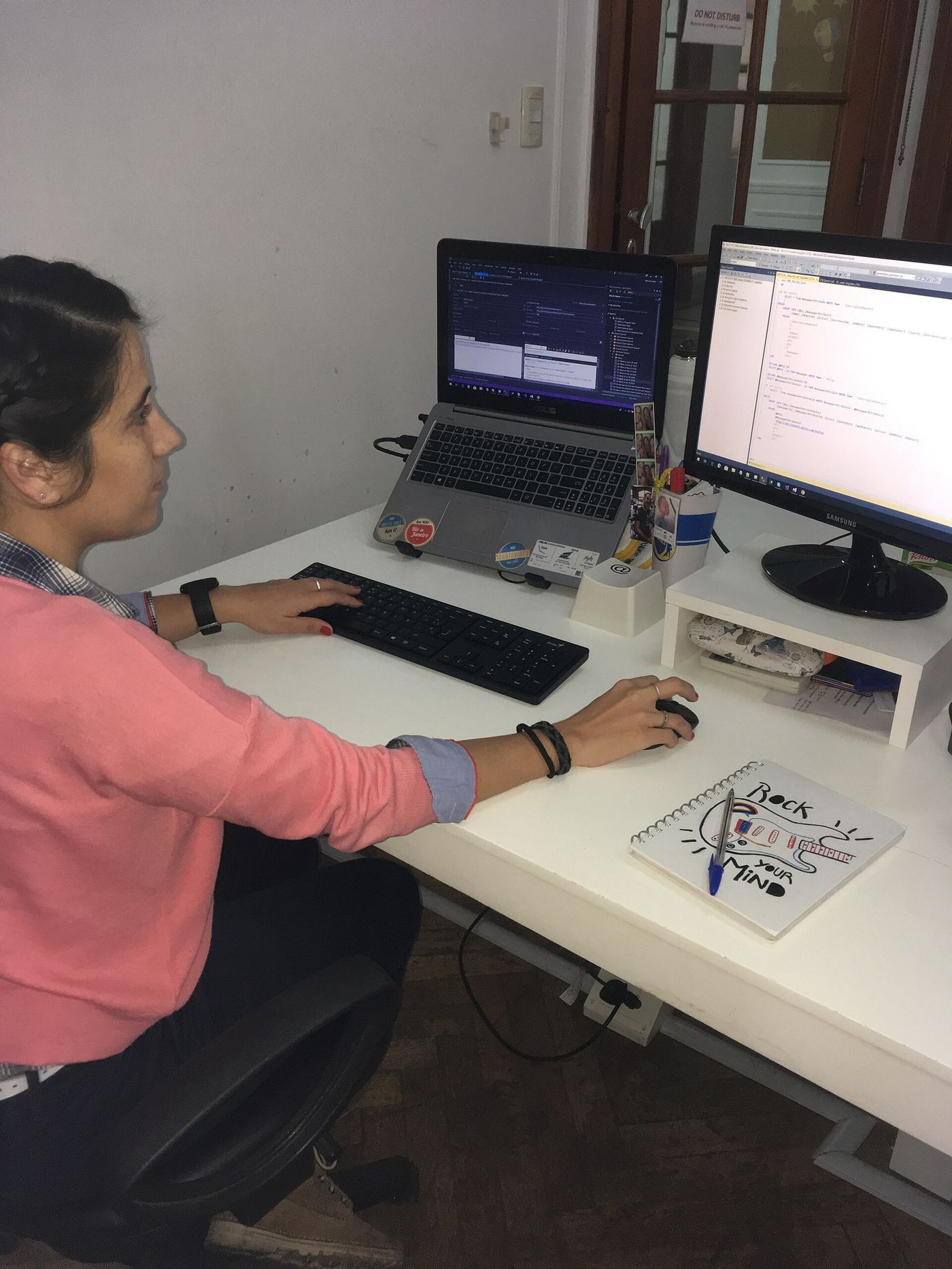
Software is rarely written by one person working alone. Behind most apps and websites sits a team sharing code, reviewing each other’s work, and solving problems together in real time. Collaborative coding tools now let engineers in different cities edit, comment, and test as if they were sitting at the same desk. This way of working speeds up projects, but its real value is quality. When several people review a change, mistakes are caught earlier and ideas are shared more widely. Newer team members also learn faster by seeing how experienced colleagues approach a difficult problem, comment on alternatives, and document decisions for the future.
What the Evidence Shows
Good collaboration depends on habits as much as tools. Teams that write clear comments, break work into small reviewable pieces, and agree on style guidelines tend to move faster with fewer misunderstandings. Regular check-ins help prevent duplicated effort, and shared testing practices mean problems are discovered before customers encounter them. Managers are also learning to protect focused time, because constant meetings can interrupt the deep concentration coding requires. As remote and hybrid work remain common, thoughtful collaboration practices have become a core professional skill. The result, when it works well, is more reliable software and teams that genuinely improve together. Reporting and analysis from sources such as Wired track the same developments, and specialists following collaborative coding in software teams say the direction is now consistent across independent lines of evidence.
The Wider Context
The wider context is an industry learning to ship capability and restraint together. Products built around collaborative coding in software teams now launch with safety evaluations, usage data and rollback plans as standard, because enterprise buyers and regulators ask for them in the first meeting. Companies that treated those questions as friction are discovering they have become the purchase criteria.
What Happens Next
What happens next for collaborative coding in software teams depends less on another breakthrough than on the unglamorous work of reliability, pricing and support. The buyers evaluating it now are not enthusiasts; they are operators with budgets and auditors, and their checklists will decide the timeline. On the evidence of the current pilots, the technology has earned the right to be judged by them. You can follow related developments in our coverage of technology.
None of this will be settled by a single announcement, study or product launch. The pattern to watch is accumulation: independent confirmations, honest reporting of failures and steady improvement in the underlying numbers. Readers who follow those signals, rather than the loudest claim of the week, will understand this subject better than most of the commentary surrounding it suggests is possible.
There is a practical lesson in all of this for readers deciding what to do today. Start with the verified facts, be wary of anyone promising certainty, and prefer reversible steps while the evidence is still developing. Circumstances differ by country, income and personal situation, so general guidance should always be weighed against your own context before you act on it in any significant or lasting way.
