

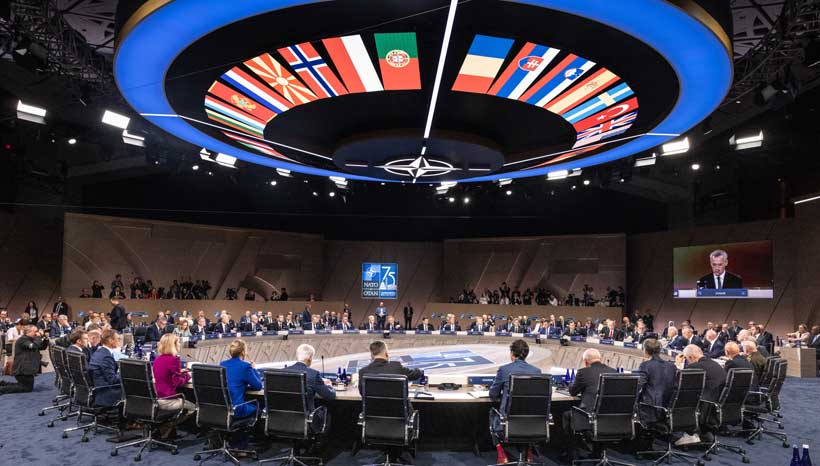
The global political landscape is changing faster than ever before. New political alliances forming across different regions are reshaping international relations and creating shifts in global power dynamics. Countries that once stood apart are now building strategic partnerships based on trade, security, energy, and technology. These developments are influencing the global balance of power in ways that could redefine the world order for decades. Understanding these changes is important because they affect everything from economic stability to security cooperation and global diplomacy.
Emerging Global Political Realignments
Changing Power Structures in International Relations
The world is witnessing significant changes in international relations as major powers adjust their strategies. Traditional alliances are being reassessed, and new partnerships are emerging based on shared interests rather than historical ties. Countries like the United States are strengthening selective partnerships, while others such as China are expanding their influence through regional cooperation. This shift is not only about politics but also about economic and technological leadership. These realignments show that global influence is becoming more distributed, leading to a more complex and interconnected geopolitical environment where no single power dominates every region.
Rise of Regional Cooperation Blocks
Regional cooperation is becoming a major trend in global geopolitics. Groups of countries are forming alliances to improve trade, security, and political coordination within their regions. Organizations such as the European Union continue to play a central role in regional unity, while new collaborations are forming in Asia, the Middle East, and Africa. These alliances help smaller nations strengthen their bargaining power on the global stage. At the same time, they create a more balanced global structure where regional voices have greater influence in shaping international decisions and policies.
Strategic Partnerships Over Traditional Alliances
Modern geopolitics is shifting from long-standing alliances to more flexible strategic partnerships. Instead of relying solely on historical agreements, countries are now forming relationships based on current economic and security needs. This means nations may cooperate on trade while competing in other areas. The United States, China, Russia, and India are all engaging in such dynamic partnerships to maximize their national interests. This flexible approach allows countries to adapt quickly to global changes, but it also makes international relations more unpredictable and complex.
Key Drivers Behind New Political Alliances
Economic Interests and Global Trade Competition
One of the main reasons behind new political alliances is economic interest. Countries are forming partnerships to strengthen trade routes, secure resources, and improve economic stability. Global trade competition has increased significantly, especially between major economies. Nations are now prioritizing economic security alongside military strength. These alliances help countries reduce dependency on single markets and diversify their trade relationships. As global supply chains evolve, economic cooperation is becoming a powerful tool in shaping political decisions and international partnerships.
Security Concerns and Military Cooperation
Security threats are another major factor driving the formation of new alliances. Rising geopolitical tensions have encouraged countries to strengthen military cooperation and intelligence sharing. Organizations like NATO continue to play a key role in collective defense, while new regional security arrangements are also emerging. Countries such as the United States, Russia, and China are heavily involved in shaping global security dynamics. These alliances are designed to respond to conflicts, cyber threats, and terrorism, making security cooperation a central pillar of modern geopolitics.
Technological and Energy Collaboration
Technology and energy resources are becoming critical elements in global political alliances. Countries are collaborating on advanced technologies such as artificial intelligence, semiconductor production, and renewable energy. Energy security, especially in oil and gas, also plays a major role in shaping international partnerships. Nations rich in energy resources often form strategic alliances with technologically advanced countries to balance mutual needs. This growing interdependence is influencing global politics and creating new forms of cooperation that go beyond traditional diplomatic relationships.
Potential Impact on Global Economy and Security
Shift in Global Economic Power Balance
The emergence of new political alliances is directly affecting the global economy. As countries form new trade partnerships, economic power is becoming more distributed across different regions. Emerging economies like India are gaining stronger positions in global markets, while established powers such as the United States and China continue to compete for influence. This shift is leading to a more multipolar economic system where no single country dominates global trade. Businesses and investors are closely watching these changes as they impact global supply chains, investments, and financial stability.
Increased Geopolitical Competition and Tensions
While new alliances bring cooperation, they also increase geopolitical competition. Rival blocs often compete for influence in strategic regions, leading to diplomatic tensions and occasional conflicts of interest. This competition is especially visible in areas such as technology leadership, military presence, and resource control. Countries are carefully balancing cooperation and rivalry, making international relations more sensitive and unpredictable. The growing complexity of global politics means that small conflicts can have wider international consequences, affecting global peace and stability.
Long-Term Impact on Global Security Structure
In the long term, new political alliances forming today will reshape the global security structure. Collective defense systems and regional agreements will play a bigger role in maintaining peace and preventing conflicts. However, the fragmentation of global power may also lead to divided security systems, where different regions follow different rules and priorities. This evolving structure will require stronger diplomacy and communication between nations. The future of global security will depend on how well these alliances manage cooperation while handling competition in an increasingly interconnected world.
FAQs
1. What are new political alliances?
They are emerging partnerships between countries formed to improve economic, security, or strategic cooperation.
2. Why are global alliances changing?
They are changing due to economic competition, security concerns, and shifting global power dynamics.
3. How do political alliances affect the global economy?
They influence trade, investment flows, and supply chains, shaping global economic stability.
4. Which countries are important in global alliances?
Major players include the United States, China, Russia, India, and members of the European Union.
5. Do new alliances increase global tensions?
Yes, while they promote cooperation, they can also increase competition between different geopolitical blocs.
Conclusion
New political alliances forming around the world are significantly reshaping the global balance of power. These changes are driven by economic interests, security needs, and technological advancements. As countries continue to realign and form strategic partnerships, the world is moving toward a more complex and multipolar system. Understanding these shifts in geopolitics and international relations is essential because they influence global stability, economic growth, and future security structures.